🌧 ️ Why it rains?
Rain is one of the phenomena of everyday life and, at the same time, the more fascinating of the nature. Not only filled with rivers and dams, also keeps alive the ecosystems and is essential for agriculture and the life on the planet. But... how do you exactly?

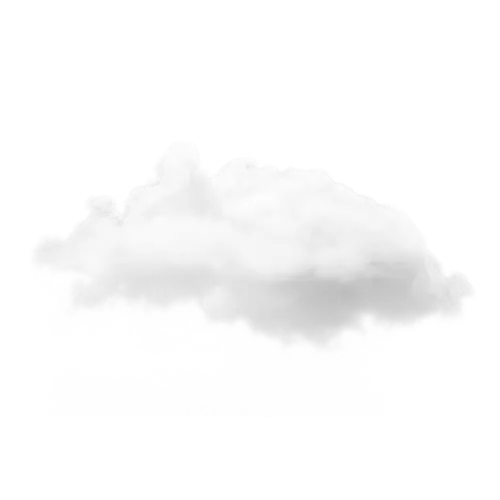
What are the clouds?
The clouds are sets of tiny water droplets or ice crystals suspended in the atmosphere. Are formed when moist air rises, it cools and the water vapour condenses around small particles in the air called condensation nuclei (such as dust, pollen or sea salt).
Condensation nuclei: the origin of the drops
The steam of water, by itself, cannot form droplets easily. You need to surfaces tiny on which to condense. These surfaces are the condensation nuclei.
Without them, it would be almost impossible to form clouds, and, therefore, rain.
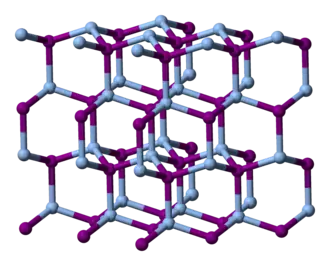
Mechanisms of generation of rain
Coalition-coalesencia
-
It happens mainly in clouds, warm (temperatures above 0 °C).
-
Larger droplets fall faster and his trip van collide with smaller droplets.
-
The join (coalescence), they form drops each time greater than end up falling as rain.
Glaciogénesis
-
Predominates in clouds of cold (temperatures below 0 °C).
-
Within the cloud coexist drops of water superenfriada (liquid water below 0 °C) and ice crystals.
-
The water vapor is deposited more easily on the ice crystals, which grow and become heavier.
-
In the fall, these crystals may melt and become rain drops, or continue as snow or hail.
The role of the atmosphere
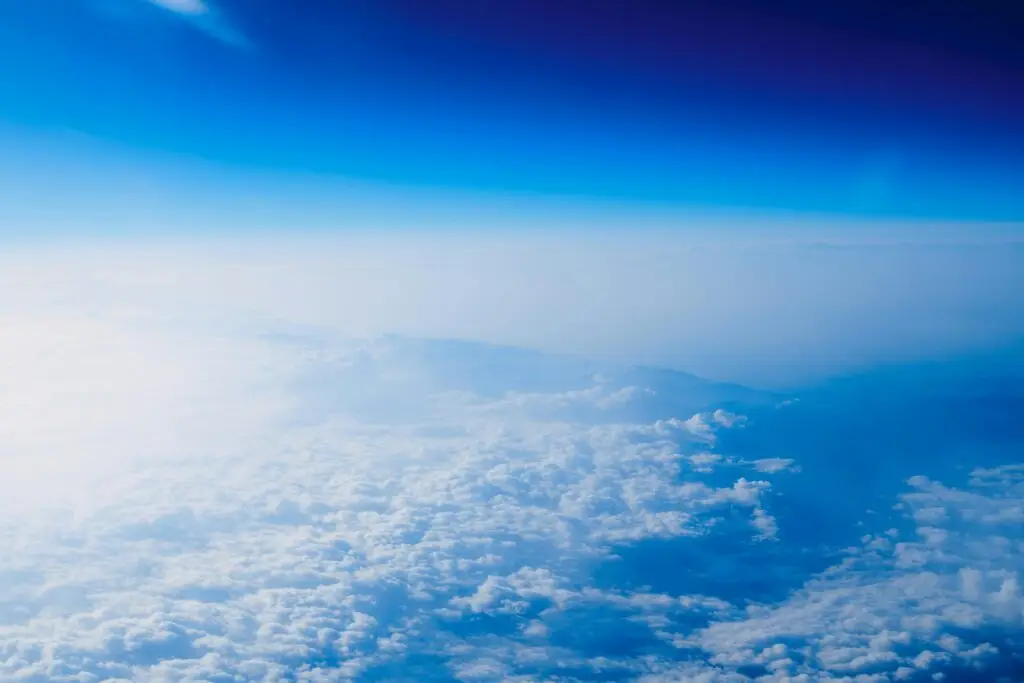
The atmosphere is great “factory of the rain.” Factors such as the temperature, pressure and currents of air, determine:
-
If the precipitation will be rain, snow or hail.
-
The intensity of the downpour.
-
The duration of the storm.

Additional Material
0
Video
0
Video
0