🌿 🌿 Why does it rain less?
Rainfall doesn't depend solely on the presence of clouds in the sky. Its formation is a complex process involving vegetation, soil, the atmosphere, and even human activities. When any of these factors are altered, rainfall can decrease significantly.
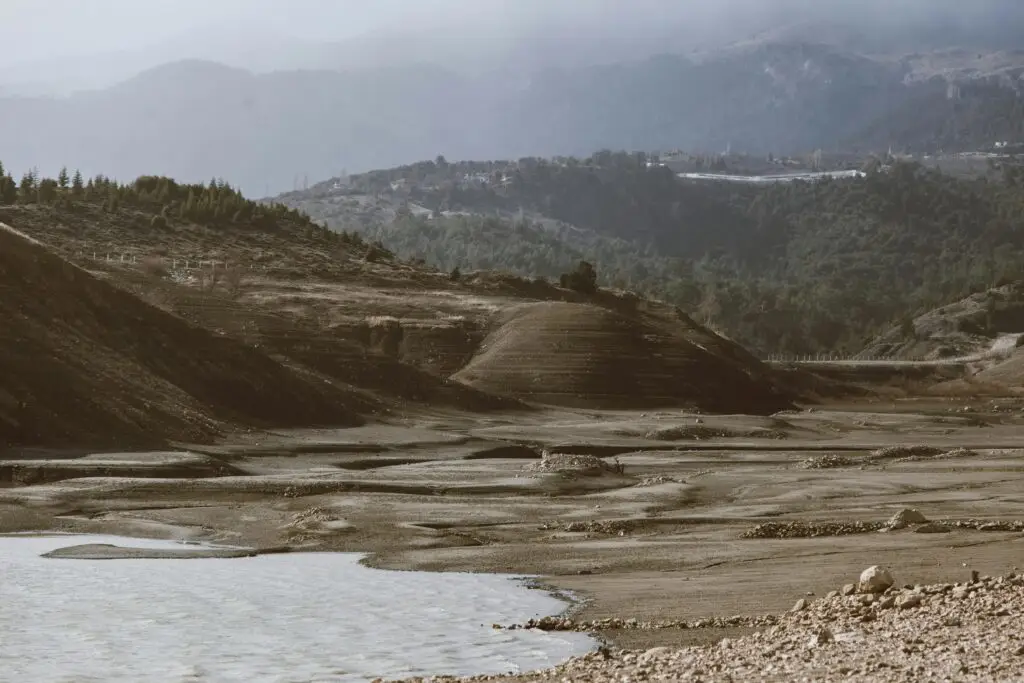
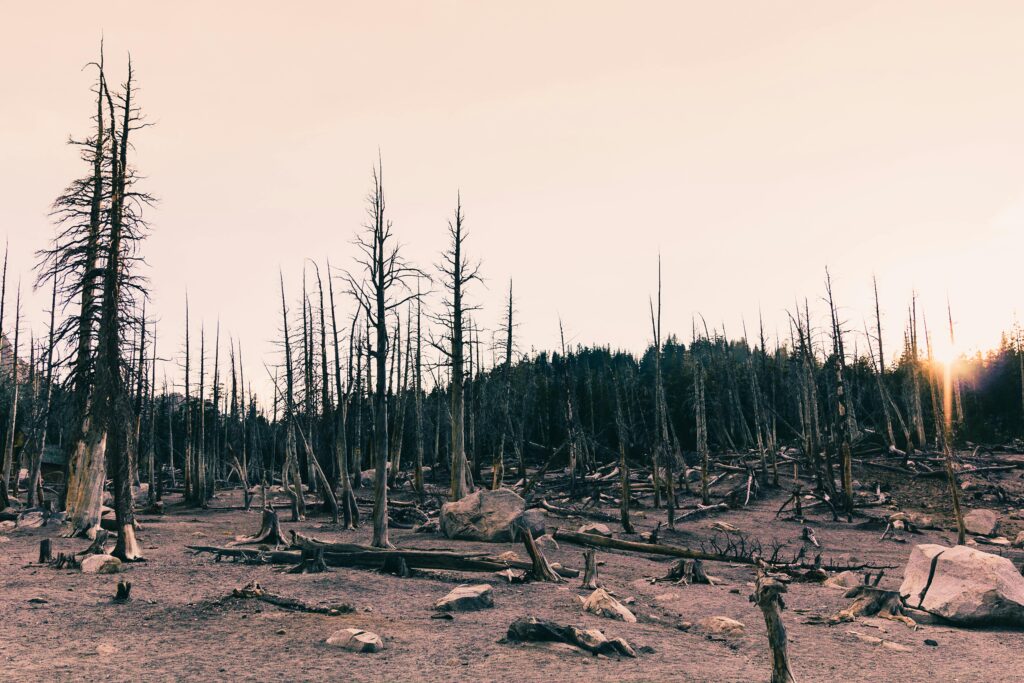
🌳 Deforestation and lack of vegetation
Forests and jungles act as humidity factories.
-
Through the evapotranspiration, plants release water vapor that rises and contributes to cloud formation.
-
When vegetation cover is lost due to deforestation, fires, or land use change, the atmosphere receives much less water vapor.
The result: fewer clouds capable of generating rain, and therefore more frequent droughts.
☁️ Clouds that do not precipitate
Clouds don't guarantee rain. There are factors that limit precipitation:
-
Dry domes: A hot, dry dome can act as a “lid” on the atmosphere because the warm air at altitude expands and becomes lighter, preventing updrafts of moist air from developing into convective clouds, which then blocks the formation of rain.
-
Moisture deficit: Without enough vapor available, the droplets within the cloud do not grow large enough to precipitate.
-
Weak updrafts: Without the energy of convection, droplets do not stay suspended long enough to grow large.
-
Polluting aerosols: In excess, they can generate too many condensation nuclei, creating very small droplets that fail to join together and fall.
In these cases, clouds may cover the sky, but do not leave significant rain.
🔄 Human and natural cycles
Existen variaciones naturales del clima (como fenómenos ENSO: El Niño/La Niña) que alteran los patrones de lluvia.
Sin embargo, la actividad humana —deforestación, sobre-explotación de acuíferos y urbanización— intensifica estos cambios, rompiendo el equilibrio del ciclo hidrológico.
En resumen
Llueve menos cuando los bosques desaparecen, la humedad se reduce o las condiciones atmosféricas no favorecen el crecimiento de gotas. La siembra de nubes es una herramienta que, bien aplicada, puede ayudar a contrarrestar estas limitaciones y recuperar parte del ciclo natural de lluvias.